
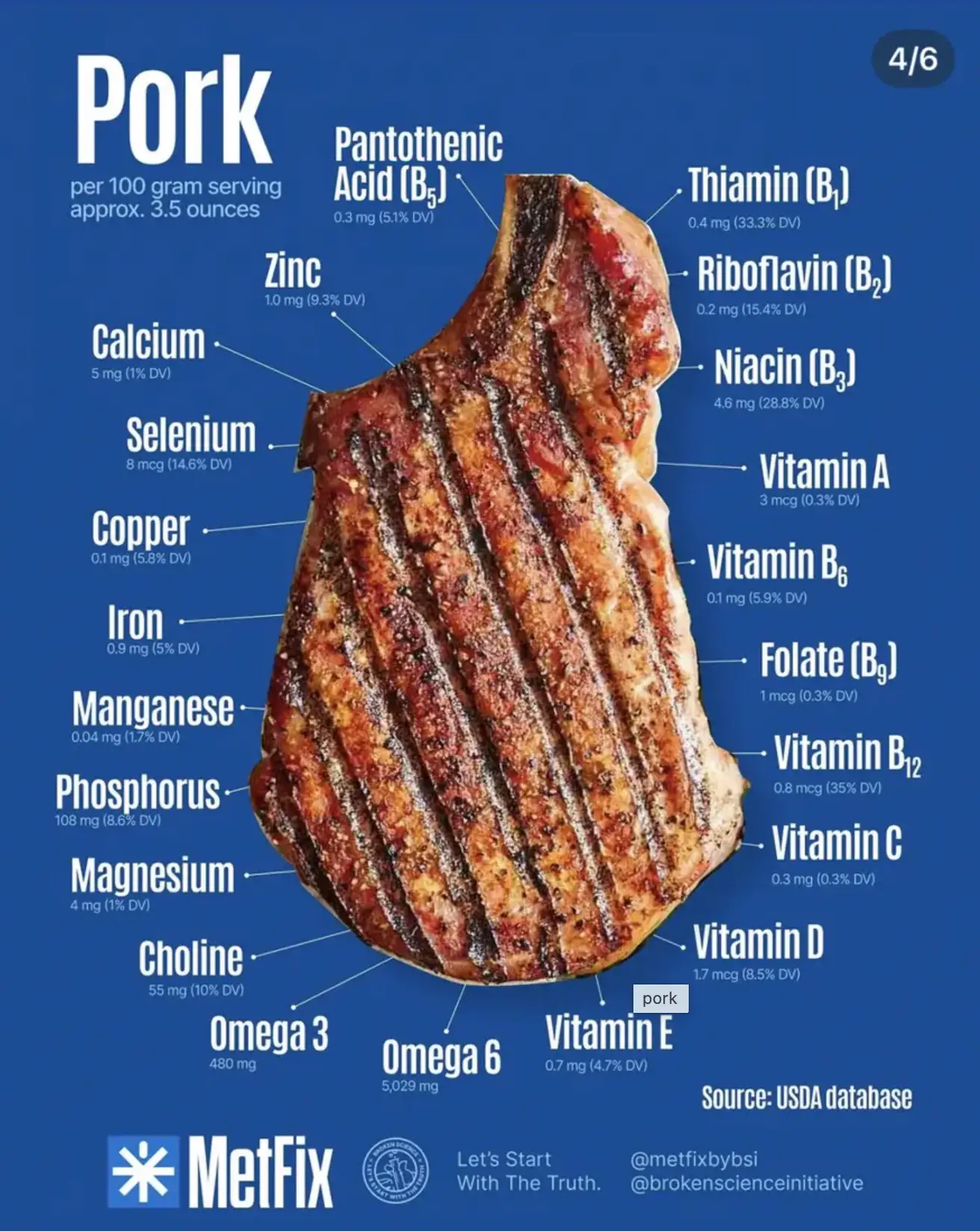
Protein: the foundation most of us under-dose.
I know, I get it….”you don’t want to”, or “you don’t like protein that much”. Ok…honestly, you do you. But then don’t complain that you’re losing muscle, lack sustained energy or feel weak…and if you’re in our web and our industry (fitness for us folks over 50)…good luck to you! Seriously, we’re looking for a pill, a provider or a Hail Mary pass that will give us the results we want without any effort. Today, I actually question why I’m doing what I’m doing.
As fall approaches, we’re coming out of our strength season, and we need to maintain this new “strength” many of your acknowledging you feel and that we’ve seen from testing. Guess what? That strength needs building blocks. And the big one is protein.
Here’s what the research says for healthy older adults: about 1.0–1.2 grams of protein per kilogram of body weight per day for the average person. For a 150-pound person, that’s roughly 70–85 grams a day. That’s the basement – the minimum. This number is higher – up to 1 gram per pound of body weight – if you are strength training and trying to gain muscle. It’s DOUBLE what most are aiming for.
Here are two tips that might help you achieve these goals that will in turn help solve the problems of getting weaker, looking better, and feeling sustained energy throughout the day.
- Spread it out. 25–35 (women/men) grams per meal works better than loading it all at dinner. We’re less active in the evening. Do this for breakfast, lunch, a snack and dinner. While we’re not fans of snacking, if that’s what it takes to get the nutrients in – DO IT!
- Breakfast is the meal most of us under-dose. A little intention there goes a long way. Take your time, read the paper (on your tablet?) and eat slowly – but eat IT ALL!
Whole foods first — eggs, fish, chicken, Greek yogurt, beef…. save powders for a pinch.
(If you have kidney disease, check with your doctor about protein targets first.)
Now the hard part: staying with it
Starting is easy. Staying is the real challenge — and the research backs that up.
- Weeks two and three are the danger window. One study of 31.5+ million January activities found the sharpest drop-off lands right around day 7–21. Can you feel it? When was the last time you said “I’m going to do this”….and not too long after the novelty fades…..aaaaaaaand, you’re out.
- Most people fade, not fall off a cliff. In a two-year study of New Year’s resolvers, 77% were still going after one week — but only 19% at two years.
- Exercise programs lose half their people fast: about 50% of new exercisers drop out within the first 3–6 months. Diets are even harder.
- The real habit timeline is 66 days, not 21. That’s the median for a new behavior to become automatic. That’s TWO MONTHS! The “21 days to a habit” rule came from a 1960s plastic surgeon’s observation — never habit research…so just know….it’s harder than you think, but if you know this, maybe when you’re ready to quit, you’ll remember this.
- Good news: one bad day doesn’t reset the clock. Miss a day, pick it back up tomorrow.
So don’t aim for perfect. Aim to still be here at day 66.
Try this for a week: add one solid protein serving to your breakfast, every day this week — and keep it going past week three.
Sources: protein 1.0–1.2 g/kg/day for healthy older adults; Strava (31.5M+ January activities); Norcross & Vangarelli, 1989; Dishman, 1991; Lally et al., 2009; Hall et al., NIH, Cell Metabolism 2019.